Your cart is currently empty!
Dopamine and depression
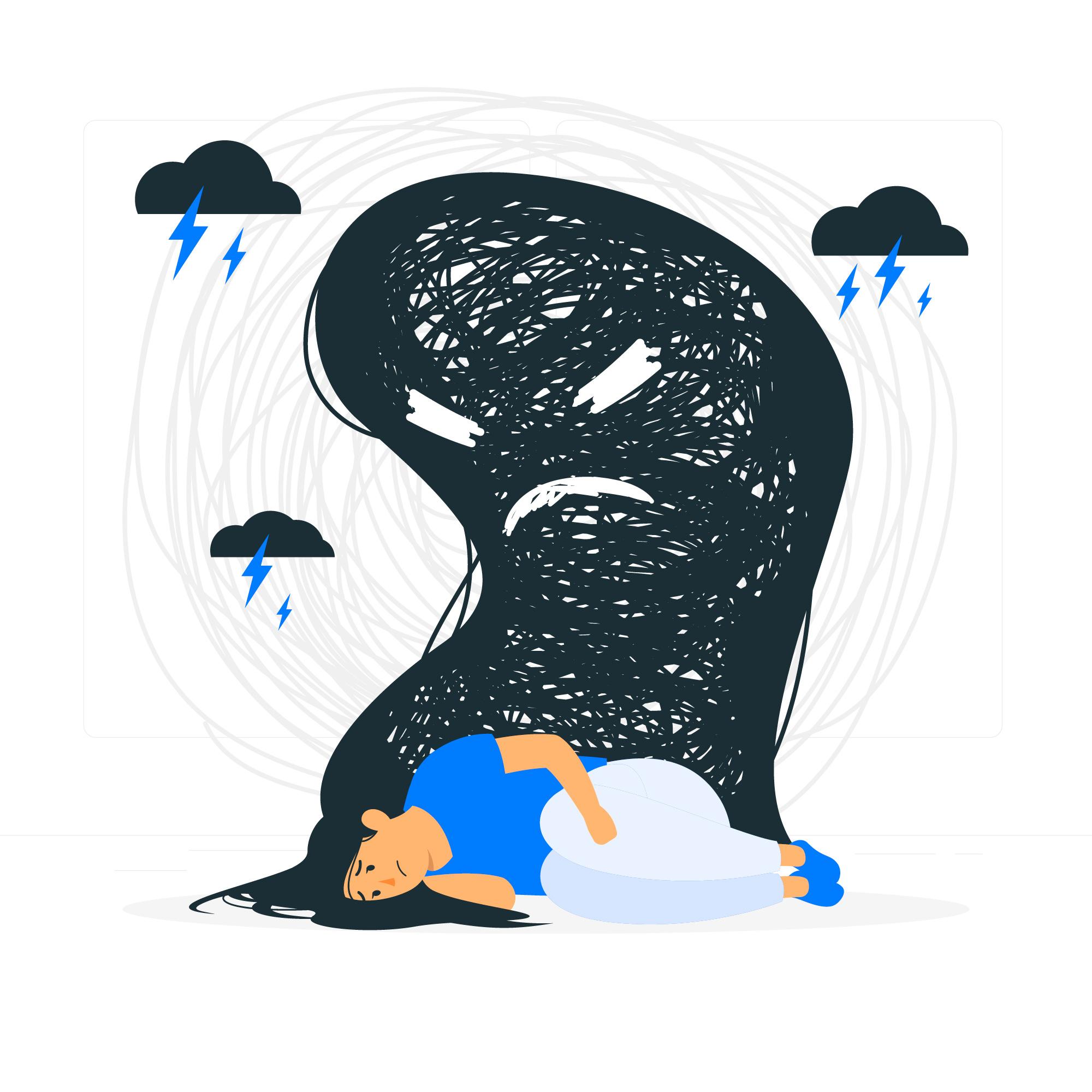
In recent years, interest in scientific research related to the brain and neurotransmitters has become an increasingly important topic in understanding many psychological disorders. Among these neurotransmitters, dopamine is one of the most prominent chemicals that play a major role in brain function and human behavior. Dopamine is closely linked to depression, a psychological disorder that greatly affects the quality of life of individuals. In this article, we will review the relationship between dopamine and depression and discuss how this neurotransmitter affects the psychological state of a person.
:What is dopamine? (The role of dopamine in the brain)
Dopamine acts as a neurotransmitter that transmits signals between brain cells, and has multiple effects on brain functions. It is attributed to positive effects in enhancing feelings of happiness and reward, and is considered essential in enhancing motivation and motivation. Dopamine works mainly in reward-related brain pathways, such as the mesolimbic system and the neocortical system. Dopamine is secreted in specific areas of the brain such as the nucleus accumbens and the ventral tegmental area, and has significant effects on movement, learning, and concentration.
:Dopamine and Depression
The relationship between dopamine and depression is complex. In cases of depression, low levels of dopamine are often observed in certain areas of the brain. These low levels may be associated with a person feeling down, lack of motivation, and loss of interest in activities that were once enjoyable. These symptoms are key signs of depression, as people with depression often feel a loss of interest and pleasure in activities that they once enjoyed, which may be related to low dopamine activity in certain areas of the brain.
How does low dopamine affect mood?
Loss of motivation: When dopamine levels are low, a person may lose the motivation to do any activity, even activities that were once enjoyable.
Difficulty concentrating: People with low dopamine may have difficulty concentrating and paying attention.
Fatigue: A person may feel constantly tired and fatigued, even after getting enough sleep.
Changes in appetite and sleep: Low dopamine levels can affect appetite and sleep, leading to weight gain or loss and insomnia.
:Mechanism of Dopamine’s Effect on Depression
Dopamine can affect depression through several mechanisms:
Reward System: Dopamine plays a key role in the brain’s reward system, which helps promote behaviors that provide pleasure and satisfaction. When there is a deficiency in dopamine, this system may be disrupted, leading to a loss of pleasure and a sense of satisfaction, which is a common symptom of depression.
Chemical Balance: Having unbalanced levels of dopamine can affect the balance of other neurotransmitters such as serotonin and norepinephrine, which also play a role in regulating mood.
Motivation and Motivation: Dopamine is essential for maintaining a high level of motivation and drive. When dopamine levels are low, individuals may feel unable to feel motivated or want to engage in daily activities, which contributes to worsening depression.
Research and Treatment
Many studies and research address the relationship between dopamine and depression, aiming to better understand this relationship with the aim of improving available treatments. Potential treatments include:
Medications: Some antidepressant medications work to increase dopamine levels in the brain. Medications such as dopamine reuptake inhibitors (DRIs) may help improve mood and reduce symptoms of depression.
Behavioral therapy: Behavioral therapy helps change thoughts and behaviors that may be associated with low dopamine levels and improve emotional response.
Psychological interventions: Interventions such as exposure therapy to pleasurable experiences can help stimulate the reward system and indirectly boost dopamine levels.
Finally,
Dopamine plays a key role in regulating mood and feelings of pleasure, and when there is an imbalance in this neurotransmitter, depression may appear clearly. Although the relationship between dopamine and depression is complex, an increasing understanding of this relationship contributes to the development of effective treatment strategies. Through continued research and improvements in treatments, significant progress can be made in helping individuals overcome depression and regain their quality of life. It is important to pay attention to brain health and take care of balanced dopamine levels to prevent depression and maintain mental health. People with symptoms of severe depression should see a doctor for evaluation and appropriate treatment.
Leave a Reply