Your cart is currently empty!
Category: Uncategorized

Addiction
Addiction is a prison without bars. It is a medical and psychological condition characterized by a strong and uncontrollable dependence on a particular substance or behavior. Addiction can manifest itself in many forms, such as addiction to drugs, alcohol, or even activities such as gambling. Addiction is a complex problem that affects the brain and behavior of an individual, leading to changes in mood and ability to make decisions. Addiction is a complex chronic disease that affects the brain and behavior, causing a person to constantly seek out a particular substance or activity despite knowing the harm it causes. It is not just a bad habit, but rather a medical condition that requires specialized treatment.
Effects of addiction:
Addiction leads to many negative effects on mental, physical and social health, including:
.Health problems: such as heart, liver, and lung diseases, and mental illnesses such as depression and anxiety.
.Social problems: loss of social relationships, legal problems, and poverty.
Addiction treatment:
Treatment requires a multi-faceted approach, including psychotherapy, social support, and possibly medication. It is essential to raise awareness and provide education about the dangers of addiction and prevention methods. Addiction treatment is a long and arduous process that requires commitment from the addict and his family. Treatment options include:
. Cognitive behavioral therapy: helps change the thinking and behavioral patterns associated with addiction.
. Medications: Some medications help relieve withdrawal symptoms and cravings.
. Rehabilitation programs: These programs offer intensive treatment programs that help addicts recover.
. Support groups: Participation in support groups such as Alcoholics Anonymous (AA) helps you feel supported and belonging.
Addiction prevention:
The best way to confront the problem of addiction is to prevent it, and this can be achieved through:
. Raising awareness of the harms of addiction: spreading awareness among young people and society in general about the dangers of addiction and its negative effects.
. Providing prevention programs: Providing prevention programs in schools, universities and various institutions.
. Supporting the family and community: providing a supportive environment for individuals to help them resist temptations.
Finally, it is necessary to raise awareness of the dangers of addiction and provide support and assistance to individuals suffering from this problem, as addiction can be treated through cooperation between the addicted individual and the surrounding community to get out of this harmful state and return to a healthy and stable life.

اكتئاب ما بعد الولادة
اكتئاب ما بعد الولادة هو حالة نفسية تؤثر على العديد من الأمهات بعد فترة قصيرة من الولادة، وتتمثل في شعور عميق بالحزن، القلق، وفقدان الاهتمام. يمكن أن تؤثر هذه الحالة على قدرة الأم على العناية بنفسها وبطفلها، وتؤدي إلى مضاعفات صحية وجسدية،اكتئاب ما بعد الولادة هو أكثر من مجرد شعور بالحزن المؤقت. إنه اضطراب نفسي يتطلب العلاج. يشعر المصابات به بحزن شديد وفقدان الاهتمام بالأشياء التي كن يستمتعن بها سابقًا. قد يواجهن صعوبة في الارتباط بطفلهن أو الاعتناء به.
أسباب اكتئاب ما بعد الولادة:
الأسباب الدقيقة لاكتئاب ما بعد الولادة غير معروفة تمامًا، ولكن يعتقد أن التغيرات الهرمونية، والتعب البدني، والضغوط النفسية، والتاريخ العائلي للاضطرابات المزاجية تلعب دورًا مهمًا و ايضا اسباب اخرى مثل:
.التغيرات الهرمونية: بعد الولادة، تشهد المرأة تغيرات كبيرة في مستويات الهرمونات، خاصة هرمون الاستروجين والبروجسترون، التي يمكن أن تسهم في ظهور أعراض الاكتئاب. دراسة نشرت في Journal of Affective Disorders وجدت علاقة بين التقلبات الهرمونية وظهور الاكتئاب (Yonkers et al., 2008).
.الضغط النفسي والإجهاد: التغيرات في نمط الحياة والتحديات المرتبطة برعاية الطفل الجديد يمكن أن تكون مرهقة. الإجهاد المرتبط بالمسؤوليات الجديدة وقلة النوم قد يؤدي إلى زيادة خطر الإصابة بالاكتئاب.
.الاستعداد الوراثي: الأبحاث تشير إلى أن العوامل الوراثية قد تلعب دوراً في قابلية الإصابة بالاكتئاب. إذا كان هناك تاريخ عائلي من الاكتئاب، قد تكون المرأة أكثر عرضة للإصابة بهذه الحالة (Wisner et al., 2001).
.التاريخ النفسي السابق: النساء اللواتي لديهن تاريخ من الاكتئاب أو اضطرابات نفسية أخرى قد يكنّ أكثر عرضة لتطوير اكتئاب ما بعد الولادة. العلاج السابق أو التعامل مع مشكلات نفسية قد يؤثر على خطر الإصابة (Gordon, 2002).
أعراض اكتئاب ما بعد الولادة:
تختلف شدة أعراض اكتئاب ما بعد الولادة من امرأة إلى أخرى، ولكن بعض الأعراض الشائعة تشمل:
.الحزن الشديد وفقدان الاهتمام: الشعور بالحزن الشديد واليأس وفقدان الاهتمام بالأشياء التي كانت ممتعة سابقًا.
.التغيرات في الشهية والنوم: فقدان الشهية أو زيادة الشهية، الأرق أو النوم الزائد.
.التعب والإرهاق: الشعور بالتعب والإرهاق المستمر حتى بعد الراحة.
.صعوبة في التركيز والتفكير: صعوبة في اتخاذ القرارات وتذكر الأشياء.
.الشعور بالذنب والقيمة الذاتية المنخفضة: الشعور بالذنب لعدم القدرة على الاستمتاع بالأمومة أو الاعتناء بالطفل بشكل جيد.
.أفكار انتحارية: في بعض الحالات الشديدة، قد تفكر الأم المصابة بالاكتئاب في إيذاء نفسها أو طفلها.
علاج اكتئاب ما بعد الولادة:
.العلاج النفسي: العلاج السلوكي المعرفي والعلاج النفسي الجماعي يمكن أن يكونان فعالين في معالجة الاكتئاب. تساعد هذه العلاجات في تطوير مهارات التعامل مع مشاعر الاكتئاب وتحسين الحالة النفسية (O’Hara & McCabe, 2013).
.الأدوية: في بعض الحالات، قد تكون الأدوية المضادة للاكتئاب ضرورية. من الضروري استشارة الطبيب حول الخيارات المناسبة، خصوصاً في ظل الرضاعة الطبيعية (Stewart, 2011).
.الدعم الاجتماعي: الدعم من الأسرة والأصدقاء يمكن أن يكون له تأثير كبير في تحسين الحالة. التحدث مع الآخرين الذين يمرون بتجارب مشابهة يمكن أن يكون مفيداً.
.التغيرات في نمط الحياة: ممارسة الرياضة بانتظام، اتباع نظام غذائي صحي، والحصول على قسط كافٍ من النوم يمكن أن يساعد في تحسين الحالة النفسية.
الوقاية من اكتئاب ما بعد الولادة:
على الرغم من عدم وجود طريقة مؤكدة لمنع اكتئاب ما بعد الولادة، إلا أن هناك بعض الخطوات التي يمكن اتخاذها للحد من خطر الإصابة به:
.الرعاية الصحية الجيدة أثناء الحمل وبعد الولادة: زيارة الطبيب بانتظام للحصول على الرعاية اللازمة.
.الدعم الاجتماعي: الحصول على دعم من العائلة والأصدقاء والشريك.
.الاهتمام بالصحة النفسية: ممارسة تقنيات الاسترخاء، مثل اليوجا والتأمل.
و في النهاية،اكتئاب ما بعد الولادة ليس علامة على ضعف الأم، ولا يعني أنها أم سيئة. إنه مرض نفسي يمكن علاجه. إذا كنت تشكين في أنك تعانين من اكتئاب ما بعد الولادة، فلا تترددي في طلب المساعدة من طبيبك أو أخصائي الصحة النفسية،التعرف على اكتئاب ما بعد الولادة والتعامل معه بفعالية يمكن أن يعزز من جودة حياة الأم والطفل. الاستشارة الطبية والتدخل المناسب يمكن أن يوفران الدعم الضروري للتغلب على هذه الحالة وتحقيق التعافي.
postpartum depression
Postpartum depression is a psychological condition that affects many mothers shortly after giving birth, and is characterized by a deep feeling of sadness, anxiety, and loss of interest. This condition can affect the mother’s ability to care for herself and her baby, and lead to health and physical complications. Postpartum depression is more than just a temporary feeling of sadness. It is a psychological disorder that requires treatment. Women with it feel intense sadness and loss of interest in things they used to enjoy. They may have difficulty bonding with or caring for their baby.
Causes of postpartum depression:
The exact causes of postpartum depression are not fully known, but it is believed that hormonal changes, physical fatigue, psychological stress, and a family history of mood disorders play an important role, as well as other causes such as:
Hormonal changes: After giving birth, a woman experiences significant changes in hormone levels, especially estrogen and progesterone, which can contribute to the appearance of symptoms of depression. A study published in the Journal of Affective Disorders found a link between hormonal fluctuations and the onset of depression (Yonkers et al., 2008).
.Stress and stress: Lifestyle changes and challenges associated with caring for a new baby can be stressful. The stress associated with new responsibilities and lack of sleep may increase the risk of depression.
.Genetic predisposition: Research suggests that genetic factors may play a role in susceptibility to depression. If there is a family history of depression, a woman may be more likely to develop the condition (Wisner et al., 2001).
.Previous psychiatric history: Women who have a history of depression or other psychiatric disorders may be more likely to develop postpartum depression. Previous treatment or coping with psychiatric problems may affect the risk (Gordon, 2002).
Symptoms of postpartum depression:
The severity of postpartum depression symptoms varies from woman to woman, but some common symptoms include:
. Extreme sadness and loss of interest: Feeling extremely sad, hopeless, and losing interest in things that used to be enjoyable.
. Changes in appetite and sleep: Loss of appetite or increased appetite, insomnia, or excessive sleep.
. Fatigue and exhaustion: Feeling tired and exhausted all the time even after resting.
. Difficulty concentrating and thinking: Difficulty making decisions and remembering things.
. Feeling guilty and having low self-worth: Feeling guilty for not being able to enjoy motherhood or take good care of the baby.
. Suicidal thoughts: In some severe cases, a depressed mother may think about harming herself or her baby.
Treatment for postpartum depression:
. Psychotherapy: Cognitive behavioral therapy and group psychotherapy can be effective in treating depression. These treatments help develop skills to cope with feelings of depression and improve psychological well-being (O’Hara & McCabe, 2013).
.Medications: In some cases, antidepressants may be necessary. It is important to consult a doctor about appropriate options, especially during breastfeeding (Stewart, 2011).
.Social support: Support from family and friends can have a significant impact in improving the condition. Talking to others who are going through similar experiences can be helpful.
.Lifestyle changes: Exercising regularly, eating a healthy diet, and getting enough sleep can help improve the psychological state.
Prevention of postpartum depression:
Although there is no sure way to prevent postpartum depression, there are some steps that can be taken to reduce the risk of developing it:
.Good health care during pregnancy and after childbirth: Visiting the doctor regularly to get the necessary care.
.Social support: Getting support from family, friends, and a partner.
.Taking care of mental health: Practicing relaxation techniques, such as yoga and meditation.
Finally, postpartum depression is not a sign of weakness in the mother, nor does it mean that she is a bad mother. It is a mental illness that can be treated. If you suspect you may be suffering from postpartum depression, do not hesitate to seek help from your doctor or mental health professional. Recognizing and effectively managing postpartum depression can improve the quality of life for both mother and baby. Medical advice and appropriate intervention can provide the support needed to overcome this condition and achieve recovery.

Anxiety
Anxiety is a common psychological condition that affects everyone at some point in their lives. This anxiety manifests itself in the form of a feeling of tension, worry, discomfort, and fear of the future or facing certain situations. But when anxiety becomes excessive and persistent, it turns into a disorder that negatively affects daily life.
Causes of anxiety:
Anxiety can be caused by a variety of reasons, including:
Genetic factors: Genes may play a role in determining a person’s vulnerability to anxiety.
Environmental factors: Life pressures such as work problems, relationships, or study pressures may contribute to the emergence of anxiety.
Biochemical factors: Changes in the levels of chemicals in the brain such as serotonin and norepinephrine can affect the psychological state.
Anxiety symptoms:
Anxiety symptoms vary from person to person, but may include:
Feeling constant tension: A constant feeling of anxiety and inability to relax.
Excessive sweating: Especially in certain situations or while in worrying situations.
.Sleep problems: Difficulty falling asleep or waking up frequently during the night.
.Irritability and tension: Feeling nervous and easily aroused.
.Difficulty concentrating: Problems concentrating or thinking clearly.
Types of anxiety disorders:
.Generalized anxiety disorder: Characterized by excessive and persistent worry about a wide range of topics.
.Panic disorder: Characterized by sudden attacks of intense fear accompanied by severe physical symptoms.
.Agoraphobia: Intense fear of places or situations that may be difficult to escape or get help for.
.Social anxiety: Intense fear of social situations and interactions with others.
Treatment methods:
There are several methods available to treat anxiety, including:
.Psychotherapy: Such as cognitive behavioral therapy (CBT), which helps individuals change negative thinking patterns and deal with anxiety effectively.
.Medications: Some medications, such as antidepressants or anti-anxiety medications, can help relieve symptoms.
.Relaxation techniques: Such as meditation and yoga, which can help reduce stress and anxiety.
Lifestyle changes: Exercising regularly, maintaining a healthy diet, and avoiding caffeine and alcohol can have a positive effect.
The relationship between anxiety and depression: Anxiety and depression: two sides of the same coin?
Anxiety and depression are two common mood disorders that sometimes overlap in their symptoms and impact on an individual’s life. Although there are differences between them, they share some influencing factors and treatments.
As we mentioned before, anxiety is a state of persistent stress and is a psychological state characterized by constant tension and anxiety about the future or current situations. This anxiety manifests itself in a wide range of physical and psychological symptoms, such as:
. Physical symptoms: rapid heartbeat, difficulty breathing, sweating, feeling muscle tension, headaches, sleep disturbances, digestive problems.
. Psychological symptoms: persistent anxiety, difficulty concentrating, difficulty relaxing, anxiety about the future, fear of social situations.
As for depression, it is a state of severe sadness and is also a mood disorder characterized by a state of severe sadness and loss of interest and pleasure in daily activities. Common symptoms of depression include:
. Extreme sadness and loss of interest: Feeling very sad and losing interest and pleasure in activities that used to be enjoyable.
. Changes in weight and appetite: Weight loss or gain, loss of appetite or increased appetite.
. Sleep disturbances: Insomnia or excessive sleep.
. Fatigue and exhaustion: Feeling constantly tired and exhausted, even after resting.
. Difficulty concentrating and thinking: Difficulty making decisions and remembering things.
. Suicidal thoughts: In severe cases, a person with depression may think about suicide.
Similarities and differences between anxiety and depression:
The predominant feeling in anxiety is tension, while depression is sadness and loss of interest
The focus in anxiety is on the future and current situations, while the focus in depression is on the past and present
Activity in anxiety is characterized by increased activity (in some cases), while in depression it is decreased activity
Insomnia is common in both and in depression, but excessive sleep may also occur
How to deal with anxiety and depression:
Seek psychological support: Talking to psychological specialists and benefiting from psychological support can be helpful in dealing with anxiety and depression.
.Practicing relaxation techniques: Relaxation techniques and deep breathing can be used to control stress and relieve psychological disorders.
.Maintaining a healthy lifestyle: Healthy habits such as exercising regularly, eating healthy food, and getting enough sleep can contribute to improving mood.
.Taking care of social relationships: Maintaining positive relationships with friends and family can be an important factor in improving mental health.
Ultimately, individuals who suffer from persistent anxiety, depression, or both should seek support and follow healthy coping strategies. If symptoms persist, it is recommended to see a doctor to evaluate the condition and determine the appropriate treatment. Understanding anxiety and depression correctly can help individuals seek appropriate treatment and improve their quality of life. If you feel you are experiencing symptoms of anxiety or depression, consulting a mental health professional can be an important step toward recovery.

Dealing with anxious thoughts about future events
Dealing with anxious thoughts about future events such as returning to work:
Activating the curiosity system about what could happen and the nature of the experiences I will go through and the good possibilities that could happen Activating curiosity instead of activating anxiety and anxious thoughts that start with what if negative thoughts about oneself increase while talking or discussing with another person. The solution is to imagine that the brain is a river and thoughts come with it like branches floating on the surface of the river. The more you focus on a branch and hold on to it, the more the idea increases and the more it controls. What we must do is allow the river current to pull these trees (thoughts) and take them and flow away with them. So the first solution in terms of the thoughts that revolve around ourselves is often (negative) that this person will understand me, how will he see me, what will he think about me? The solution is to completely ignore it until the river current takes it and goes. The alternative is to focus on the person I am talking to and focus on how he feels if he is telling me about a specific situation he went through, and focus on what he learned from this experience if, for example, he is telling me about a specific experience he went through if he asked me for something related to work. The important thing here is that Ask him about the steps if they are not clear and ask him for clarification and more details or ask him to bring my notebook to write down or ask him to send me the tasks written by email or WhatsApp.
When facing the unknown (the lion):
The lion is anything that causes us a degree of tension and fear and is accompanied by a negative expectation about the passing of events and the solution:
First: Understand that the brain will give a reward in both cases if I avoid the lion and if I face it and the more I train my mind on a certain behavior when facing the lion, the more that behavior becomes dominant.
Second: Focusing on the process itself (its steps) is more important than the result. It is not important when I approach the lion what the result will be as much as it is important to take a step closer gradually to what worries me and raises my fears instead of avoiding it and running away from it.
Third: Building a vision of myself and my beliefs about myself. If I have a vision that I am a clean person, I will not throw any kind of garbage in the street, not because I fear the laws or because I have a negative motive, but because I see myself as a clean person. If I see myself as a brave person, I will not allow a certain situation to make me avoid protecting a member of my family, not because I fear what people will say, but because I am a brave person. The rule here is “is to be good not to look good.”
When waking up from sleep and there is no motive to do anything:
First: I must differentiate between an uncomfortable feeling and an unbearable feeling. Most of the time, a painful and difficult feeling is just an uncomfortable feeling, not an unbearable feeling.
Second: I differentiate between the voice of the inner educator inside me that gives me negative motivation and negative qualities until I accomplish what is required of me and my own vision of myself and thus I stop motivating myself negatively. If I feel unable to go to the gym, I will tell myself that you have to go, you lazy person, and this is a type of negative motivation that is not useful.
Third: I understand that my feelings have their respect and appreciation and also have their space, but they do not fully express reality. If I feel bored, this does not mean that my life is boring. If I feel tired or exhausted, this does not mean that my entire day and tasks will be tiring or exhausting.
Fourth: Don’t plan just do (don’t plan just do) The brain consumes a lot of energy during the planning process, and therefore if the task is simple and repetitive, such as taking someone from the family to a certain place, if you do not plan and think about the simple details, I will get out of bed and choose my clothes, then look for the car key and so on, but do and take steps.
Fifth: Dopamine hunger Learn how to deal with dopamine hunger and dopamine for us needs stimulation, so it can be any type of stimulant on our senses, it can be something sweet and it can also be a cup of coffee, a piece of chocolate, and even music I like to listen to.
It is important to review the beliefs that I grew up with and it is important to review my ideas about myself and the world, and it is also important to look at the culture, society, and religion that I belong to as basic and primitive components, and today I have to build a personal perception of myself, others, and reality.
The equation of success:
1. Not everyone who works hard finds, and not everyone who sows reaps, because life is unfair and unpredictable.
2. The hidden factor in material success exists, and we can call it success from the Lord of the Worlds or a prayer from my mother’s prayer or luck, and we call it what we call it, but there is an unknown factor in material success and many factors play in its occurrence, for example: Not every professional football player will grow up to be Mohamed Salah. There are a group of factors beyond Mohamed Salah’s control in reaching the material success that he is.
3. Setting material goals only results in frustration, frustration along the way and during the process of reaching it, because as long as I do not reach the material goal I set, then I am a failure, the result here is frustration and frustration as well when reaching the goal itself, because building a false reality such as when I have a million dollars, I will be the happiest person, is one of the most naive and unrealistic ideas, because often when I have a thousand dollars, I will look at the one who has a hundred thousand dollars, and the one who has a hundred thousand looks at the one who has a million, and so on, and also your material and life needs will increase and your requirements will also increase, so you will feel frustrated and shocked when you reach the material goals.
4. Changing the material goal by focusing on the quality of life today and taking a direction for ambition that is not limited to specific material goals, for example, my ambition is to reach a degree of financial stability and not fear the availability of money, and this can be achieved regardless of my income level. Focusing on going through more experiences that will be beneficial to me in the long run is much more important than focusing on a specific material number that I see in my bank account.
5. It is smart to focus on the process of reaching it more than focusing on the result, as the result is not guaranteed, but the process of reaching it is what falls under the circle.

Black and white thinking
Exclusionary thinking or Dichotomous thinking or borderline thinking are all different names for our topic today:
A person who falls under this error of thinking sees the whole world in two colors or in two fixed versions, either white or black. He sees himself as either white or black, either successful or unsuccessful, either smart or stupid, either productive or completely unproductive. And he sees people with the same principle, either absolutely right or absolutely wrong, either his life partner is perfect or a very bad person, looking at life situations from his point of view as either completely harmful or completely beneficial, either bad situations in everything in them or beautiful in everything in them.
For example, if he goes through a health problem or gets sick, he sees his health condition as completely finished forever, or he sees that there is no disease and he does not even need treatment. If he goes through an emotional separation such as divorce, for example, the person sees that this experience or situation is the worst thing he has ever been through or the best thing he has ever been through, so black and white thinking are equally unequal.
The importance of awareness of the error of this thinking and its danger:
The reality of life is not black or white, but rather gray and carries all other colors. This type of thinking appears on family and friends when it is associated with an achievement or something they are trying to achieve, but nothing happened and they did not succeed in it, such as job interviews, for example, if he is not accepted, his thinking becomes as follows: I will not be accepted for any job in the future. Or if he creates a project and loses it, his thinking becomes that he cannot manage the business or open another project in the future, but if he succeeds in it and the thinking becomes as follows: Everything my hands touch turns into gold, we conclude that white thinking is the pinnacle of success, the pinnacle of intelligence, the pinnacle of strength, and the pinnacle of the ability to do anything. The exact opposite is black thinking, which is the pinnacle of failure, the pinnacle of stupidity, and the pinnacle of weakness. Therefore, awareness must be raised about the psychological aspect, that we must tend more towards moderation instead of this type of abnormal thinking.
What is the relationship between white and black thinking and psychological disorders?
Black and white thinking exists in more than one problem and psychological disorder, but it differs from one person to another according to the nature of his dealings and the work of his brain when there is a psychological disorder or cognitive distortion and an error in thinking such as black and white thinking, errors in thinking and cognitive distortions are many and are called distortions because they lead to us seeing reality, ourselves and others as well in a distorted way and all of them are equally unequal
And examples of some psychological disorders associated with black and white thinking
Depression
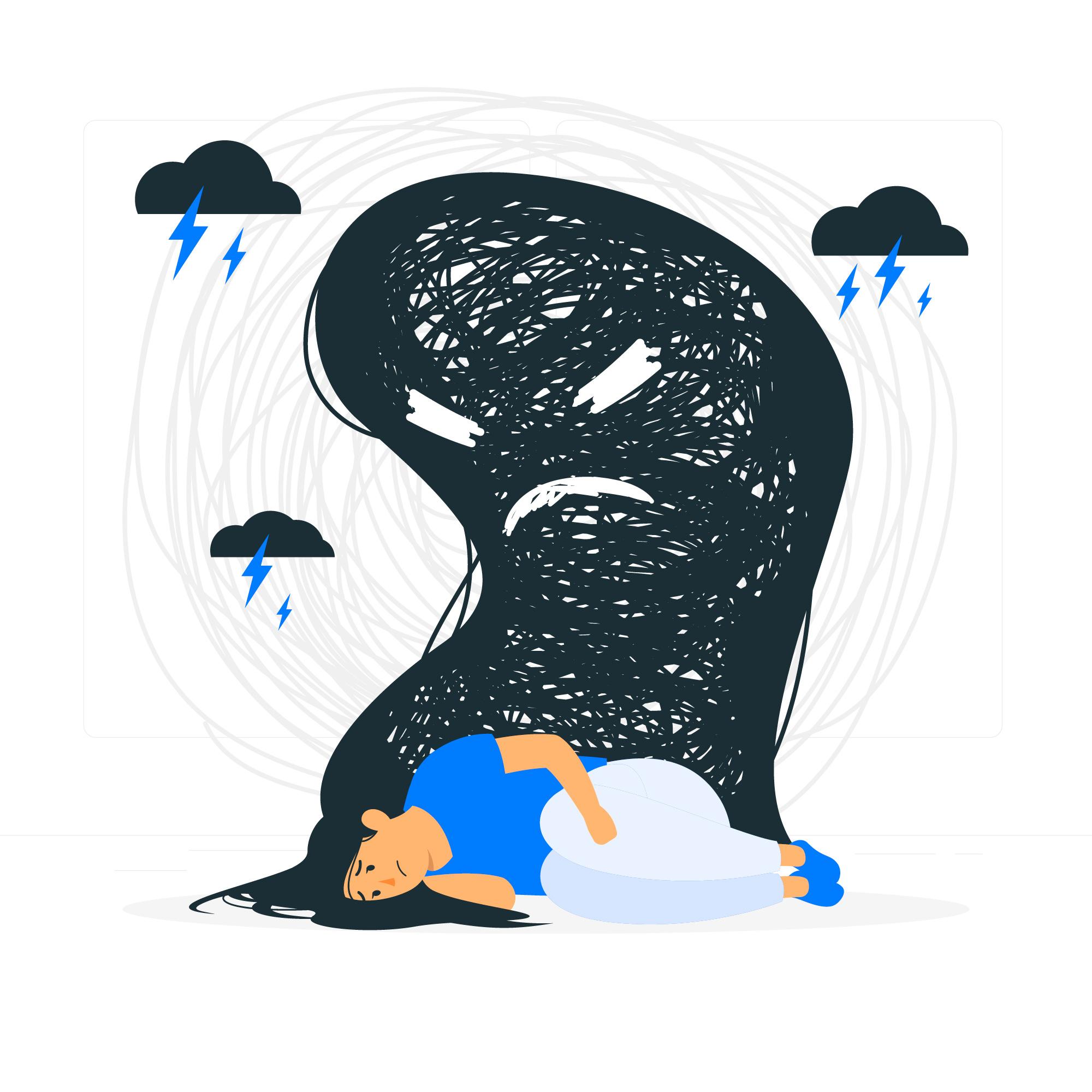
A person suffering from depression often uses the same abnormal disturbed thinking, but applies it by seeing himself as black, his past as black, and his future as black. There is something called clinical depression, in which the person becomes unable to see the future. When asked how he sees his future, he answers that he does not see it at all, but he sees people and the world around him as white, he sees them as successful and normal, and he sees himself as having all the flaws and that he is going through all the problems, his relationship is a failure, his past is bad, he sees that all his achievements have no Values and this leads to belittling himself and glorifying others because he sees himself as black and sees everything around him as white. Bipolar disorder:
It is one of the psychological disorders in which the person has mood swings from extreme low to high. Bipolar disorder is a mood disorder, i.e. the fluctuations that occur between high mood and a positive view of himself and the world, energy and creativity, as well as an exaggerated acceleration of thoughts, as well as a strong desire to talk and excessive energy that can sometimes appear in some people in a different way, especially between males and females, then a decrease in mood, so energy decreases and movement weakens, extreme doubt, a very negative view of life and an inability to concentrate, lack of energy to do any normal activities such as meeting others or even work, and the desire for isolation. We see in this disorder the big difference between mood changes. Black and white thinking is associated with bipolar disorder in mood swings. When a person is in his high mood, which is one of the two poles, the person sees himself, life and others in an exaggerated white way, and it can sometimes reach the point of having what is called the grandeur delusion or Delusions of grandeur and self-aggrandizement, and when the mood drops and he enters the depressive phase, he sees himself, the world around him, and others in a black light, so he sees himself as a failure and cannot achieve anything. Attention deficit hyperactivity disorder (ADHD):
There is another disorder in which black and white thinking appears, such as ADHD, in which black and white thinking appears through the inability to adapt to normal life matters. He sees the things he can do, which are often enjoyable for him, as white. For example: a young man who loves to drive cars recklessly or play dangerous sports, he sees that in white because he has the ability to do it. As for the executive matters that he is not able to do or accomplish, such as: studying or arranging the house and keeping his room clean or arranging his priorities, all of this is difficult for him and not enjoyable. If he is afflicted with ADHD, he sees those things in black and believes that the problem lies in the things themselves, but the truth is that part of the problem itself is the unhelpful thinking pattern, which is black and white thinking.
Addiction:
Also, black and white thinking plays a very big role in addiction. The addicted person sees that his life and abilities without this substance are black, so he is weak, a failure, and unsocial. We see this more clearly in people addicted to alcohol and alcoholics. Alcohol dissolves a type of anxiety. If a person has a degree of anxiety in dealing with others when drinking alcohol, he becomes social and confident and has the willingness to do some things that he had doubts that he could not do before alcohol. Here, he sees himself and his qualities when taking this substance as a productive and social person. When he does not take this substance, he sees himself as a black, unproductive person with weak abilities.
Dopamine and depression
In recent years, interest in scientific research related to the brain and neurotransmitters has become an increasingly important topic in understanding many psychological disorders. Among these neurotransmitters, dopamine is one of the most prominent chemicals that play a major role in brain function and human behavior. Dopamine is closely linked to depression, a psychological disorder that greatly affects the quality of life of individuals. In this article, we will review the relationship between dopamine and depression and discuss how this neurotransmitter affects the psychological state of a person.
:What is dopamine? (The role of dopamine in the brain)
Dopamine acts as a neurotransmitter that transmits signals between brain cells, and has multiple effects on brain functions. It is attributed to positive effects in enhancing feelings of happiness and reward, and is considered essential in enhancing motivation and motivation. Dopamine works mainly in reward-related brain pathways, such as the mesolimbic system and the neocortical system. Dopamine is secreted in specific areas of the brain such as the nucleus accumbens and the ventral tegmental area, and has significant effects on movement, learning, and concentration.
:Dopamine and Depression
The relationship between dopamine and depression is complex. In cases of depression, low levels of dopamine are often observed in certain areas of the brain. These low levels may be associated with a person feeling down, lack of motivation, and loss of interest in activities that were once enjoyable. These symptoms are key signs of depression, as people with depression often feel a loss of interest and pleasure in activities that they once enjoyed, which may be related to low dopamine activity in certain areas of the brain.
How does low dopamine affect mood?
Loss of motivation: When dopamine levels are low, a person may lose the motivation to do any activity, even activities that were once enjoyable.
Difficulty concentrating: People with low dopamine may have difficulty concentrating and paying attention.
Fatigue: A person may feel constantly tired and fatigued, even after getting enough sleep.
Changes in appetite and sleep: Low dopamine levels can affect appetite and sleep, leading to weight gain or loss and insomnia.
:Mechanism of Dopamine’s Effect on Depression
Dopamine can affect depression through several mechanisms:
Reward System: Dopamine plays a key role in the brain’s reward system, which helps promote behaviors that provide pleasure and satisfaction. When there is a deficiency in dopamine, this system may be disrupted, leading to a loss of pleasure and a sense of satisfaction, which is a common symptom of depression.
Chemical Balance: Having unbalanced levels of dopamine can affect the balance of other neurotransmitters such as serotonin and norepinephrine, which also play a role in regulating mood.
Motivation and Motivation: Dopamine is essential for maintaining a high level of motivation and drive. When dopamine levels are low, individuals may feel unable to feel motivated or want to engage in daily activities, which contributes to worsening depression.
Research and Treatment
Many studies and research address the relationship between dopamine and depression, aiming to better understand this relationship with the aim of improving available treatments. Potential treatments include:
Medications: Some antidepressant medications work to increase dopamine levels in the brain. Medications such as dopamine reuptake inhibitors (DRIs) may help improve mood and reduce symptoms of depression.
Behavioral therapy: Behavioral therapy helps change thoughts and behaviors that may be associated with low dopamine levels and improve emotional response.
Psychological interventions: Interventions such as exposure therapy to pleasurable experiences can help stimulate the reward system and indirectly boost dopamine levels.
Finally,
Dopamine plays a key role in regulating mood and feelings of pleasure, and when there is an imbalance in this neurotransmitter, depression may appear clearly. Although the relationship between dopamine and depression is complex, an increasing understanding of this relationship contributes to the development of effective treatment strategies. Through continued research and improvements in treatments, significant progress can be made in helping individuals overcome depression and regain their quality of life. It is important to pay attention to brain health and take care of balanced dopamine levels to prevent depression and maintain mental health. People with symptoms of severe depression should see a doctor for evaluation and appropriate treatment.
Self-development and self-confidence
Important note
This article is considered one of the skills of positive psychology, which specializes in developing individual skills and knowledge for mentally healthy people. If you suffer from any psychological disorder, please do not try to evaluate yourself based on your ability to achieve or apply what will be mentioned in the article below.
If you notice a major challenge for you in applying some skills or difficulty in doing some of the mentioned tips, it may be an important sign so that you can stand with yourself and take an honest stand in evaluating the level of your mental health and remember that you can always resort to a specialist to help you.
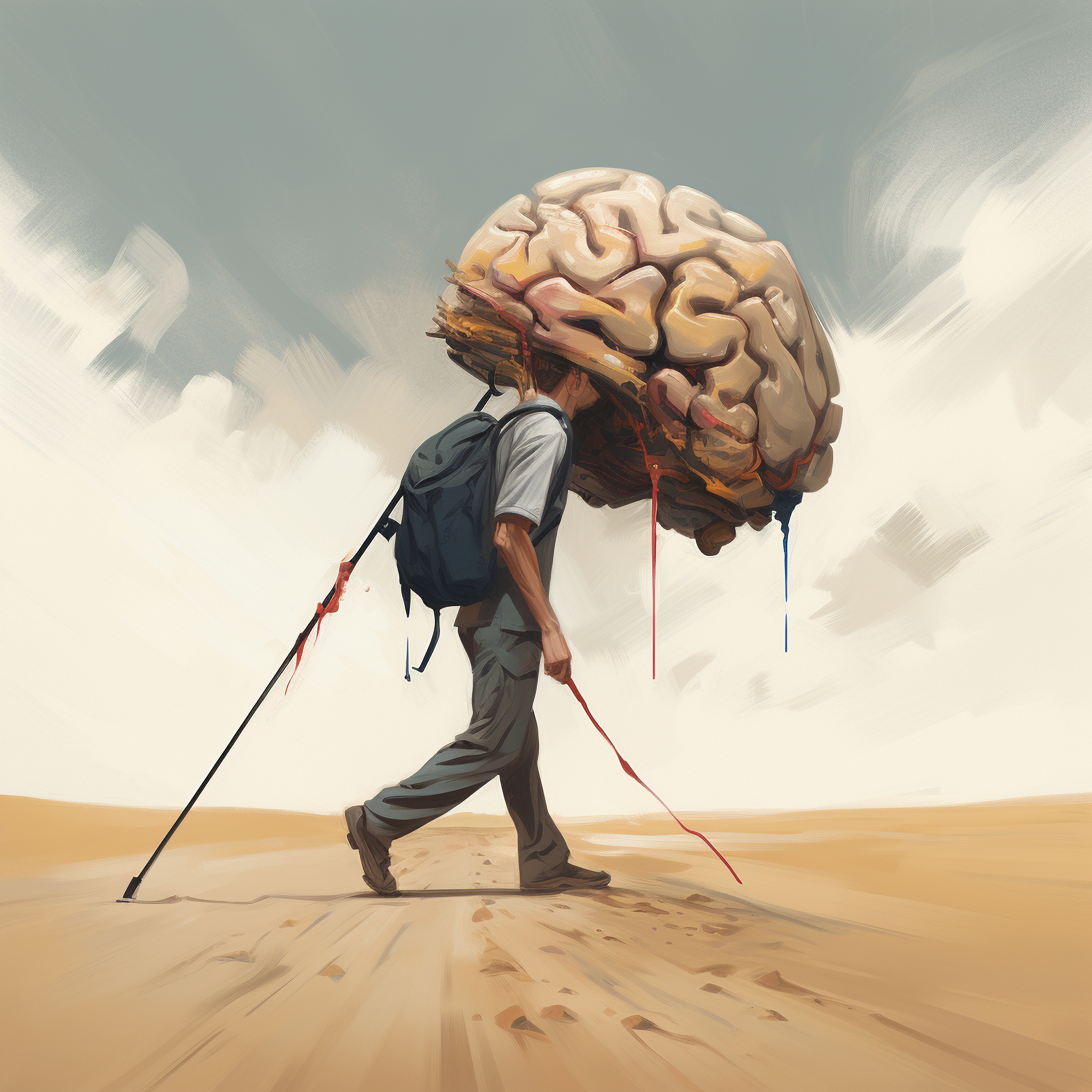
The journey of self-development and self-confidence is one of the most important journeys a person can take in his life. It is a journey that leads to achieving satisfaction and stability on all levels. This journey begins with simple steps that require awareness and sincere intention, and continues with challenges that strengthen the will and develop the personality, until reaching the satisfactory result that is represented in improving the quality of life and feeling the value of simple achievements in your life.
Self-development and building self-confidence are terms that can be toxic and psychologically harmful, and they can also be a useful motivation for a better quality of life and better mental health. In this article, we will discuss both trends to provide each reader with the tools they need to differentiate between the harmful or beneficial use of the same terms.
: The concept of self-development and self-confidence in its toxic and harmful form
Self-development: is an ongoing process that includes acquiring new skills, improving abilities, developing talents, and acquiring knowledge, to achieve success and happiness.
Self-confidence: is a deep belief in one’s abilities and potential, a sense of satisfaction with oneself, and the ability to achieve one’s dreams and goals.
The concept of self-development and self-confidence in its useful and healthy form
Self-development: It is the basis for the growth of all living beings. Everything we experience in our lives increases our experiences and knowledge. Therefore, even the simplest things, such as getting enough sleep the night before, are part of your growth and self-development, not just learning new skills constantly. Sometimes, the concept of healthy self-development is summarized in developing old skills that we possess or taking a break from the pressures of life. When we have awareness, we can increase the beneficial experiences in our lives and reduce the experiences that harm us.
Self-confidence: It is having a sufficient amount of self-esteem, meaning that we see ourselves without negative judgments or excessive glorification, so we acknowledge our humanity and weakness, and at the same time we take responsibility for our lives without blaming ourselves for what came before. Whatever the reason for your arrival to the place you are in today, getting out of it is your responsibility because you deserve a better quality of life. This does not mean being confident in yourself all the time in front of all people. There are many creative people throughout history who had a severe weakness in their self-confidence in the common sense of the term, but they changed the course of history by cooperating with others. A person who is confident in himself will not try to succeed in everything, but will do what he can with what he has and ask for help from those around him when he needs it.
: The importance of developing oneself and self-confidence in a useful and healthy way compared to the traditional harmful and toxic way
Achieving success: Self-confidence helps in achieving goals and reaching success in various areas of life, whether on a personal or professional level. (Poisonous and harmful)
(Useful and healthy) –< The truth is that success is very relative. Perhaps for me, success is a happy family and my children playing and drawing on the walls of the house. For another, happiness is in the success of work regardless of his family. For another, success is in fame and being known by many people. The important thing is that your self-confidence helps you achieve what you see as adding meaning to your life and not to follow a pre-determined measure from society under the name of success. The result will often be job burnout and a feeling of frustration.
Personal growth: Self-development leads to personal growth by expanding knowledge, improving skills, and enhancing positive thinking. It can enable individuals to become more self-aware, set meaningful goals, and work toward their aspirations. (Toxic and Harmful)
(Healthy and Beneficial) –< The truth is that personal growth occurs from birth and often occurs without the intervention of our free will. A person can grow up in an environment that encourages fear of the unknown and lack of adventure, and thus become anxious and tense. Here, growth has actually occurred. It may be beneficial to a person if they are in a society that rewards those anxious and avoidant traits, and it may be harmful to a person if they are in a society that punishes those same traits. So the basic idea is not in personal growth or lack thereof, but rather in the direction of growth itself and whether this growth is consistent with the individual’s and society’s vision of himself or not, and whether it is beneficial to the person himself in this environment or not
Feeling happy: Self-confidence enhances the feeling of self-satisfaction and happiness, and reduces anxiety and depression. (Toxic and harmful)
(Useful and healthy) –< The truth is that anxiety and depression are diseases that affect humans and have complex causes that we discuss in the article on depression and anxiety. They are not related to their financial level, nor their feelings about themselves in the past, nor even their level of religiosity. Therefore, it is better for us to see the relativity of happiness in life and not in the belief that a self-confident person will not suffer from a disease such as depression, but a conscious person will notice the symptoms of these diseases, whether in himself or in those around him, and will seek help
Professional success: Continuous self-development is crucial to professional success. It allows individuals to stay informed of industry trends, develop new skills, and adapt to changing job requirements. It also enhances leadership abilities, communication skills and decision-making. (Useful and healthy if applied in the workplace only)
Improving relationships: Self-confidence helps build strong relationships with others, and enhances effective communication. (Toxic and harmful)
(Useful and healthy) –< The truth is that building strong relationships does not depend on a person’s self-confidence, but rather on his level of self-awareness, his value, his appreciation of the feelings of others and his ability to choose the right people to build healthy relationships with