Your cart is currently empty!
Category: Uncategorized
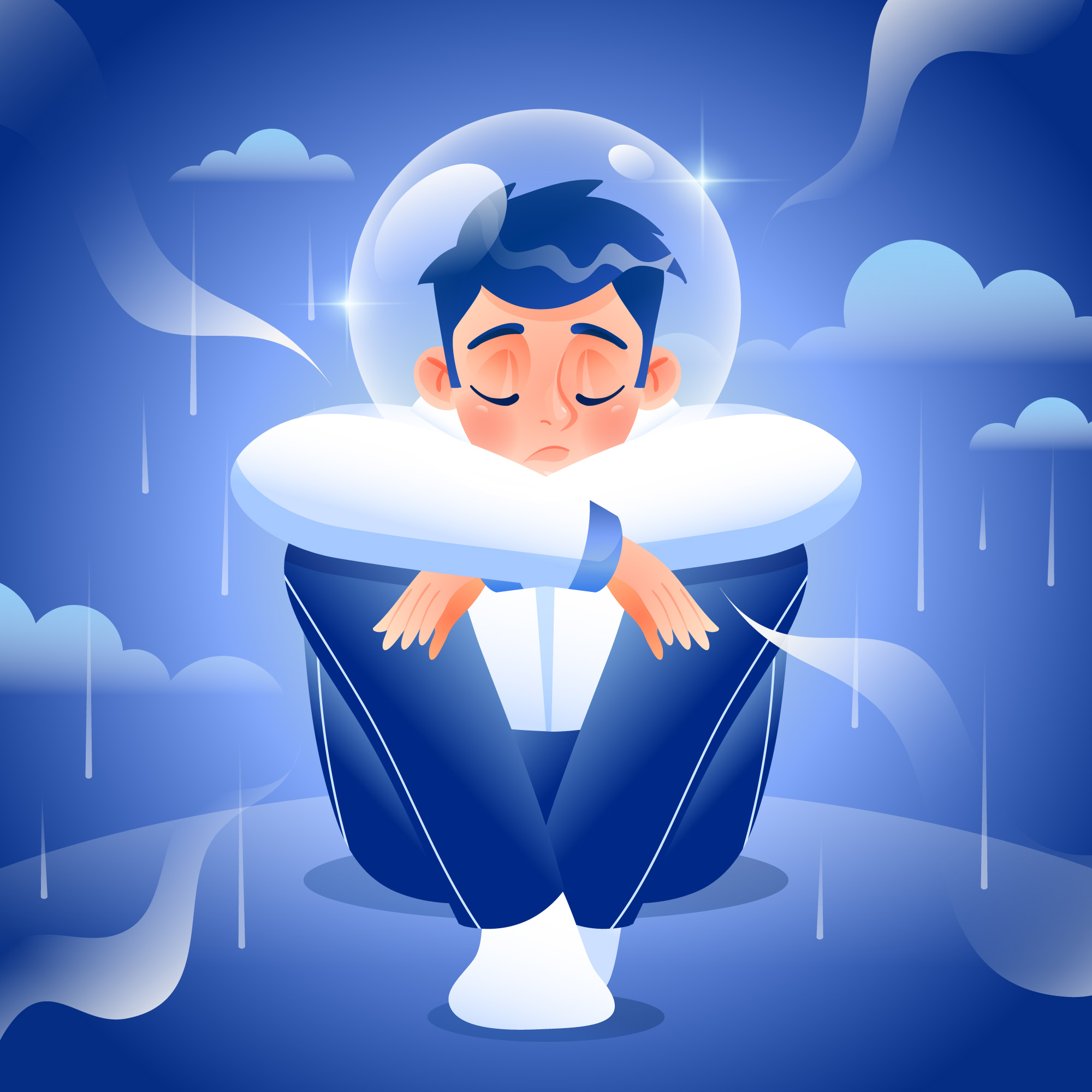
smiling depression
Smiling depression is a type of depression that is known to show signs of joy and happiness on the outside, while internally suffering from feelings of sadness and anxiety. People with smiling depression may show a clear smile and go about their daily lives normally, making it difficult for others to detect their suffering. This type of depression is considered one of the major challenges in the world of mental health.
What is smiling depression?
Smiling depression differs from traditional depression in that the sufferer does not express his sadness and symptoms explicitly. Instead, he tries to hide his suffering behind a falsely positive behavior. This behavior may be the result of fear of weakness or rejection by others, or as a result of social pressures that push him to show an ideal image of himself.Symptoms and signs:
Symptoms of smiling depression include the following:
1. False optimism: The sufferer always tries to show the bright side of life, even when he feels very sad.
2. Social isolation: Despite trying to appear as a social person, the sufferer may feel lonely and isolated.
3. Difficulty concentrating and sleeping: The affected person may have difficulty concentrating on daily tasks, and sleep disorders such as insomnia or excessive sleep.
4. Changes in appetite: The affected person may gain or lose weight significantly.
5. Constant fatigue: The affected person feels tired and exhausted all the time, even after getting enough rest.
6. Negative thinking: Despite the apparent smile, the affected person may suffer from negative and pessimistic thoughts.Causes:
There are many causes of smiling depression, including:
1. Social pressures: Society’s expectations push people to pretend to be happy.
2. Personal experiences: Exposure to shock or loss can lead to repressed feelings.
3. Anxiety and stress: Daily life and financial or family pressures may cause hidden negative feelings.
4. Fear of weakness: Fear of appearing weak in front of others.
5. Strict upbringing: Upbringing that encourages the suppression of negative feelings.
6. Other psychological disorders: Smiling depression may be associated with other psychological disorders such as borderline personality disorder.How to deal with it:
Smiling depression can be dealt with through:
1. Awareness: Understanding this phenomenon can help people recognize it and help others.
2. Psychological support: Talking to a mental health professional can be an important step in dealing with feelings.
3. Expressing feelings: Encouraging people to express their true feelings instead of pretending.Treating smiling depression:
Treating smiling depression requires a joint effort between the patient and the therapist. Treatment options include:
1. Psychotherapy: Psychotherapy, such as cognitive behavioral therapy, helps the patient challenge negative thoughts and develop new skills to deal with feelings.
2. Medications: The doctor may prescribe antidepressants to help improve mood and reduce symptoms.
3. Support groups: Support groups help the patient connect with people who are going through similar experiences.Ultimately, early diagnosis and effective treatment of smiling depression is vital to improving the patient’s quality of life. If left untreated, smiling depression can lead to serious complications, including suicide. Smiling depression is a major mental health challenge that requires awareness and understanding from those around the sufferer. It is important to remember that behind the smile there may be hidden feelings that need support and care.
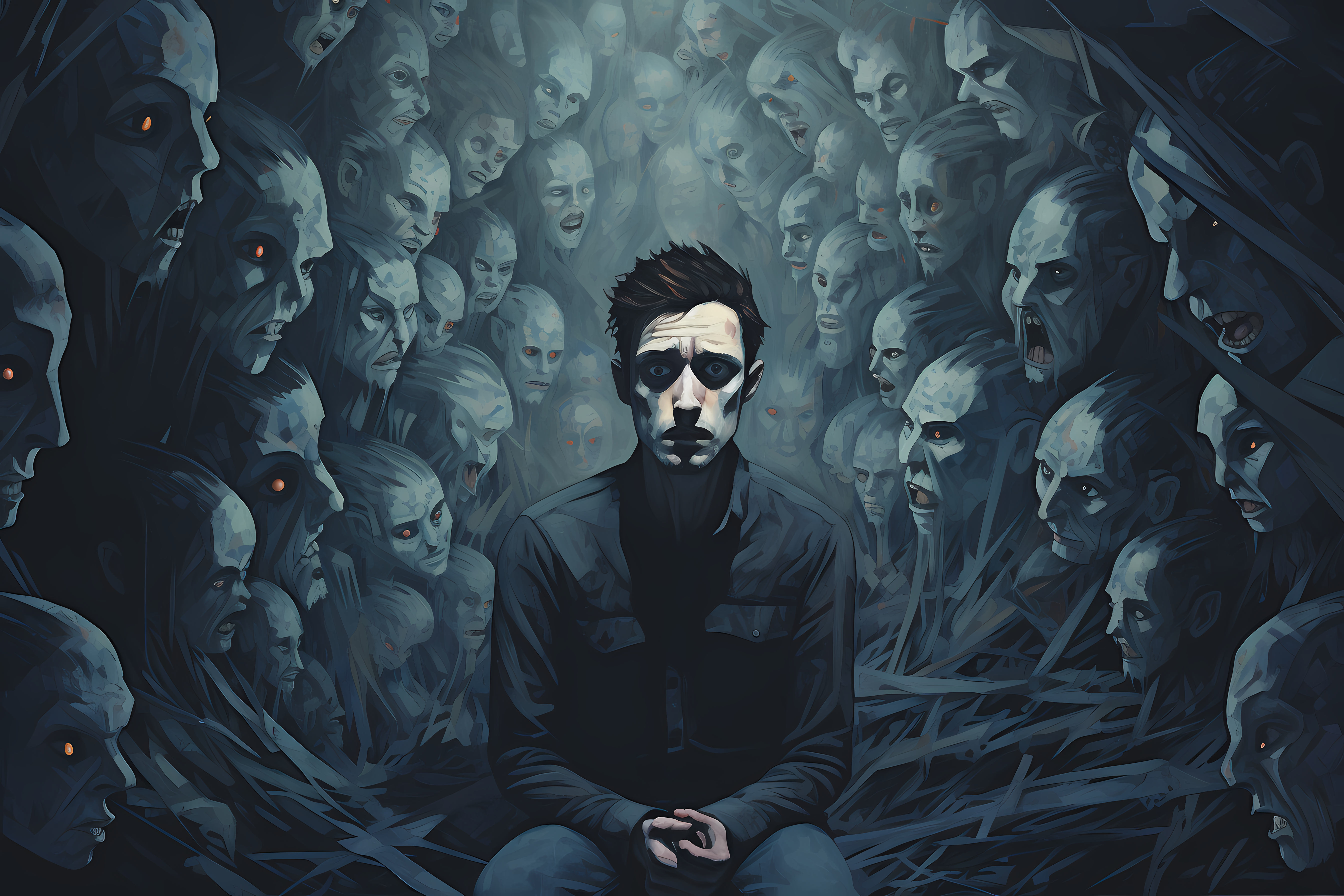
dissociative identity disorder
Dissociative Identity Disorder (DID) is a complex psychological condition characterized by the presence of two or more personalities within the same individual, where these personalities may compete for control of behavior and thoughts. This disorder is considered one of the psychological disorders that require accurate understanding and awareness, due to the profound impact it can have on individuals’ lives.
Definition of Dissociative Identity Disorder:
According to the Diagnostic and Statistical Manual of Mental Disorders (DSM-5), Dissociative Identity Disorder is defined as the presence of two or more distinct personalities, and noticeable changes in identity that include interruptions in memory, which affects the individual’s daily life. In this disorder, the person lives the experience of having separate personalities, each with a different name, memory, behaviors, and even age. These personalities may differ in gender, age, language, and skills. The transition between these personalities usually occurs involuntarily, and is often a response to psychological stress.
Causes:
There are many reasons that lead to the emergence of this disorder, the most prominent of which are:
1. Psychological trauma: It is believed that most individuals who suffer from this disorder have been exposed to traumatic experiences in childhood, such as physical or sexual abuse.
2. Genetic factors: Genetic factors may play a role in the development of this disorder, but research is still ongoing to understand this aspect.
3. Surrounding environment: The family and social environment also play a role in the emergence of psychological disorders.Symptoms:
Common symptoms of dissociative identity disorder include:
1. The presence of multiple personalities within the individual.
2. Loss of memory (dissociation) from certain events.
3. Difficulty remembering and concentrating.
4. Changes in behavior and emotions.
5. Changes in writing or speaking.
6. Inner voices.
Treatment:
Treatment of dissociative identity disorder depends on several methods, including:
1. Psychotherapy: It includes cognitive behavioral therapy, talk therapy, and art therapy.
2. Medications: There are no specific medications to treat this disorder, but medications may be used to treat accompanying symptoms such as anxiety and depression.Finally, dissociative identity disorder is a complex psychological condition that requires deep understanding and special care. It is important to treat individuals with it in a sensitive manner, and provide them with the necessary support to reach recovery. It is important to emphasize that people with dissociative identity disorder are not mentally ill, but rather people seeking acceptance and a true identity. We must treat them with respect and understanding, and support them in their journey to reach happiness and satisfaction.

gender identity disorder
Gender identity disorder, also known as gender dysphoria, is a psychological condition in which an individual experiences a discrepancy between the sex they were born with and the gender they internally perceive. These individuals feel extremely uncomfortable with the sex they were assigned at birth, and a strong desire to be the opposite sex or to be outside the binary gender categories. People with gender identity disorder feel trapped in a body that does not express their true identity. This feeling of difference can lead to feelings of depression, anxiety, and social isolation.
Gender identity disorder is a condition in which individuals experience a discrepancy between their biological sex and/or their self-identified gender. This disorder includes a range of personal experiences that may include feelings of discomfort or dissatisfaction with the individual’s biological sex, and this can significantly impact their quality of life. In this article, we will discuss the causes of this disorder, its symptoms, treatment methods, and the social and legal challenges faced by individuals with it.Causes:
There is no single specific cause of gender dysphoria, but it is thought that a combination of factors contribute to its development:
Biological factors: Studies suggest that there is an overlap between genetic and hormonal factors in the development of gender identity. There may be differences in brain structure or hormone levels that play a role in determining gender identity.
Psychological factors: Personal experiences and early relationships can also influence the development of gender identity. The environment and socialization may contribute to shaping an individual’s understanding of themselves and their identity.
Social and cultural factors: Social pressures and traditional gender roles may play a role in shaping an individual’s understanding of their sexuality. Differences between cultures in the interpretation of gender roles can affect how gender identity is expressed.
Symptoms:
Symptoms of gender dysphoria vary from person to person, but some common symptoms include:
1. Discomfort with biological sex: Feelings of discomfort or incompatibility with one’s biological sex.
2. Desire to change gender: A strong desire to change physical appearance to match one’s own gender identity, such as a desire to undergo sex reassignment surgery or hormone therapy.
3. Anxiety and depression: Individuals may experience high levels of anxiety and depression due to stress resulting from the mismatch between their gender identity and biological sex.
4. Rejection of the sexual characteristics associated with the sex assigned at birth: Feeling uncomfortable with the genitals or other physical characteristics.
Diagnosis of gender identity disorder:
Gender identity disorder is diagnosed by a mental health professional, who will conduct a comprehensive assessment of the case, including:
1. Clinical interview: During which questions are asked about the patient’s medical and psychological history.
2. Medical examinations: Some medical examinations may be performed to rule out other organic causes of the symptoms.
3. Psychological evaluation: The patient’s psychological state is evaluated to determine the presence of any other accompanying psychological disorders.Treatment:
Treatment for gender identity disorder depends on individual needs and personal preferences, and may include:
1. Psychotherapy: Helps individuals deal with their feelings and provides psychological support. Psychotherapy can also help promote self-acceptance and social integration.
2. Hormone therapy: Hormone therapy can help match physical characteristics with self-gender identity.
3. Surgery: Some individuals may choose to undergo sex reassignment surgery to achieve compatibility between their biological sex and their gender identity.4. Social support: The support of family and friends can have a significant positive impact on the treatment experience and social integration.
Social and legal challenges:
Individuals with gender identity disorder face many social and legal challenges, including:
1. Social discrimination: Many individuals experience discrimination and bias in various areas such as work, education, and healthcare, which negatively impacts their quality of life.
2. Legal challenges: Individuals may face difficulties in changing their gender identity on official documents such as passports and driver’s licenses, which may cause problems in dealing with official institutions.
3. Social acceptance: Achieving widespread acceptance of one’s gender identity can be difficult, and may require efforts to raise awareness and educate the community.Finally, it is important to emphasize that people with gender identity disorder are not mentally ill, but rather people seeking acceptance and a true identity. We must treat them with respect and understanding, and support them on their journey to happiness and satisfaction.
Borderline Identity Disorder
Borderline identity disorder is a complex psychological condition that profoundly affects individuals’ lives and makes them face significant difficulties in understanding their identity and social interactions. This disorder is also known as borderline personality disorder, and is classified as a personality disorder in the Diagnostic and Statistical Manual of Mental Disorders (DSM-5). In this article, we will review the concept of this disorder, its symptoms, causes, and methods of treatment, based on a set of scientific sources.
The concept of borderline identity disorder:
Borderline identity disorder is a mental health condition characterized by extreme instability in identity, mood, and interpersonal relationships. Individuals with this disorder face significant challenges in maintaining a stable self-image and have difficulty managing emotions and social relationships. These individuals often suffer from severe mood swings and impulsive behaviors, which greatly affects their quality of life.Main symptoms:
Symptoms of borderline identity disorder include the following:
1. Identity instability: Difficulty determining who they are and what they want to be, leading to severe fluctuations in goals and ideas about the self.
2. Mood swings: Rapid and severe changes in mood, ranging from feelings of anger to deep frustration.3. Troubled personal relationships: Unstable and troubled relationships with others, characterized by extreme feelings such as intense admiration and hatred.
4. Reckless behaviors: such as overeating, drug abuse, or unsafe sexual behaviors.
5. Feeling empty: A deep sense of inner emptiness.
6. Suicidal thoughts or behaviors: In some cases, there may be a tendency toward suicidal thoughts or self-harming behaviors.
Causes and influencing factors:
There are many possible causes of borderline identity disorder, including:
1. Genetic factors: There is evidence that mental disorders may be inherited, and genetic predisposition may contribute to the development of this disorder.2. Childhood experiences: Negative experiences in childhood, such as abuse or neglect, can lead to the development of this disorder.
3. Environmental factors: The effects of the surrounding environment and social experiences can play a role in the emergence of symptoms.
Treatment and Management:
Borderline identity disorder is treated using a variety of methods, including:
1. Psychotherapy: Dialectical behavior therapy (DBT) is one of the most effective treatments for helping individuals manage their emotions and improve their social interaction skills.
2. Medication: Some medications can be helpful in managing symptoms associated with depression and anxiety.
3. Social support: The support of family and friends plays an important role in the recovery process.Ultimately, borderline identity disorder is a major challenge that profoundly impacts individuals’ lives. By better understanding its symptoms, causes, and treatment methods, we can provide support and assistance to people with this disorder, helping them improve their quality of life and achieve emotional stability.

Borderline Identity Disorder
Borderline identity disorder is a complex psychological condition that profoundly affects individuals’ lives and makes them face significant difficulties in understanding their identity and social interactions. This disorder is also known as borderline personality disorder, and is classified among personality disorders in the Diagnostic and Statistical Manual of Mental Disorders (DSM-5). In this article, we will review the concept of this disorder, its symptoms, causes, and methods of treatment, based on a set of scientific sources.
The concept of borderline identity disorder:
Borderline identity disorder is a mental health condition characterized by extreme instability in identity, mood, and interpersonal relationships. Individuals with this disorder face significant challenges in maintaining a stable self-image and have difficulty managing emotions and social relationships. These individuals often suffer from severe mood swings and impulsive behaviors, which greatly affects their quality of life.Main symptoms:
Symptoms of borderline identity disorder include the following:
1. Identity instability: Difficulty determining who they are and what they want to be, leading to severe fluctuations in goals and ideas about the self.
2. Mood swings: Rapid and severe changes in mood, ranging from feelings of anger to deep frustration.3. Troubled personal relationships: Unstable and troubled relationships with others, characterized by extreme feelings such as intense admiration and hatred.
4. Reckless behaviors: such as overeating, drug abuse, or unsafe sexual behaviors.
5. Feeling empty: A deep sense of inner emptiness.
6. Suicidal thoughts or behaviors: In some cases, there may be a tendency toward suicidal thoughts or self-harming behaviors.
Causes and influencing factors:
There are many possible causes of borderline identity disorder, including:
1. Genetic factors: There is evidence that mental disorders may be inherited, and genetic predisposition may contribute to the development of this disorder.2. Childhood experiences: Negative experiences in childhood, such as abuse or neglect, can lead to the development of this disorder.
3. Environmental factors: The effects of the surrounding environment and social experiences can play a role in the emergence of symptoms.
Treatment and Management:
Borderline identity disorder is treated using a variety of methods, including:
1. Psychotherapy: Dialectical behavior therapy (DBT) is one of the most effective treatments for helping individuals manage their emotions and improve their social interaction skills.
2. Medication: Some medications can be helpful in managing symptoms associated with depression and anxiety.
3. Social support: The support of family and friends plays an important role in the recovery process.Ultimately, borderline identity disorder is a major challenge that profoundly impacts individuals’ lives. By better understanding its symptoms, causes, and treatment methods, we can provide support and assistance to people with this disorder, helping them improve their quality of life and achieve emotional stability.

Multiple personality disorder
Multiple personality disorder, also known as dissociative identity disorder (DID), is a complex psychological condition characterized by the presence of multiple personalities within a single individual, each with its own characteristics and history. In this article, we will review the definition of the disorder, its causes, symptoms, and methods of treatment, based on available scientific sources.
Definition of multiple personality disorder:
Multiple personality disorder is a psychological condition characterized by the presence of two or more distinct identities or personalities within the same individual. These personalities may be very different in their behavior, feelings, and memory, and greatly affect the individual’s daily life. This condition is considered a rare condition that is more common among women than men.Causes:
Researchers believe that the main causes behind multiple personality disorder are related to traumatic or painful experiences that individuals are exposed to in early childhood. These experiences may include physical or sexual abuse, neglect, or domestic violence. It is believed that the person uses changing their identities as a defense mechanism to cope with major psychological trauma.Symptoms:
Symptoms of multiple personality disorder include:
Having multiple identities: Multiple personalities can appear in different ways, and each personality may have its own memory and behavior.
Amnesia: People with multiple personality disorder may experience memory loss related to times or events that occurred while they were in a particular personality.
Changes in behavior and personality: People around the affected person may notice noticeable changes in their behavior or personality.Diagnosis and treatment:
Diagnosis: Diagnosis of multiple personality disorder is based on a comprehensive psychological evaluation that includes medical interviews and psychological assessments. Sometimes a special scale for dissociative identity disorder is used to help assess the condition.Treatment: Treatment of multiple personality disorder may require a multifaceted approach, including:
Psychotherapy: Cognitive behavioral therapy and psychodynamic psychotherapy can help integrate multiple personalities and reduce symptoms.
Medication: In some cases, medications may be helpful in treating co-occurring symptoms such as depression or anxiety.
Social support: Providing support and understanding from friends and family can have a positive impact on the recovery process.Ultimately, multiple personality disorder is a complex mental health disorder that requires careful understanding and appropriate treatment. Providing psychosocial support to affected individuals can greatly improve their quality of life and overall well-being.

teenage depression
Adolescent depression is one of the most common mental disorders among young people, greatly affecting their daily lives, social relationships, and academic performance. This type of depression is characterized by feelings of sadness and hopelessness, and may be accompanied by changes in behavior and mood.
Definition of Adolescent Depression:
Adolescent depression is defined as a psychological condition that appears in adolescence, where the adolescent feels persistent feelings of sadness and loss of interest and ability to enjoy activities that used to make him happy. This depression can lead to negative effects on physical and mental health.
Causes:
There are many causes that lead to adolescent depression, including:
1. Genetic factors: There is evidence that depression can be hereditary, as genes can affect the likelihood of developing it.
2. Environmental factors: such as social pressures, bullying, loss of a parent, or family problems.
3. Psychological factors: including poor coping skills, anxiety, and exposure to negative experiences in childhood
Symptoms:
Common symptoms of adolescent depression include:
1. Feelings of persistent sadness.
2. Loss of interest in activities you enjoy.
3. Changes in sleep and appetite.
4. Low energy and feeling tired.
5. Thinking about suicide or self-harm.
6. Difficulty concentrating.
Treatment:
Treating teenage depression requires an integrated approach, including:
1. Psychotherapy: such as cognitive behavioral therapy, which focuses on changing negative thoughts.
2. Medications: In some cases, antidepressants may be used under medical supervision.
3. Social support: It is important to provide a supportive environment from family and friends, as this can help promote recovery.
Ultimately, teenage depression is a serious condition that requires special attention and care. It is essential that teenagers are able to express their feelings and get the necessary support. Families, schools, and the community must work together to provide a safe and supportive environment that helps recovery. Early detection and effective treatment of teenage depression is vital to prevent the condition from worsening and reduce the risk of suicide. Parents and educators should pay attention to any changes in a teenager’s behavior or mood, and talk to him frankly and openly.
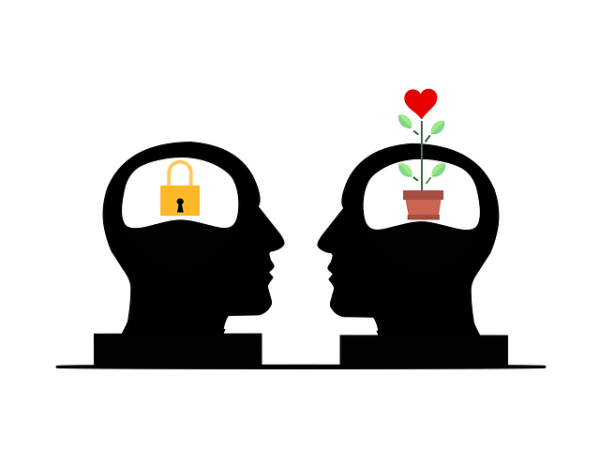
Positive Psychology
Positive psychology does not mean that we as normal people will be in the best condition and will not suffer from psychological disorders. Positive psychology tells us about the energies of growth and life energies that exist within us and what we can do or add to life and to our small circle. It tells us about how to achieve the most we aspire to. Positive psychology does not mean how to treat psychological disorders, depression and anxiety, but rather it tells us about the energies that already exist within us and we do not realize their existence. It helps us to bring out our buried energy and to have emotional intelligence, and sometimes in some situations we need a specialist to help us face these situations in the right way. Positive psychology is something very important that is equivalent to medical psychology, and there are always new studies that help us reach the highest levels of psychological consistency, psychological health and productivity for us and our small circle. There are many studies that prove the importance of positive psychology and the extent of our need for it.

Seasonal depression
Seasonal depression is not only related to winter, nor is it only related to rain or clouds. The whole idea is that you start to show some symptoms that we can summarize briefly as feeling nervous for no reason, not wanting to eat or sleep, feeling isolated and having a strong desire to isolate yourself, and that you prefer to stay alone and lose the enjoyment of fun things. For example, on Thursday, you are supposed to go out with your friends or do something fun, but you have lost the desire to enjoy, and if you go out, you will not enjoy it and your energy is low. If you realize the presence of any of these symptoms, even if some negative feelings and negative thoughts about yourself and the world are added to them, be careful. You need a very simple session with a psychiatrist because this could be the beginnings of one of the most serious disorders. Seasonal depression is just a simple symptom of this disorder, and you may not understand why every year at the same time you feel this strange feeling, you feel depressed and sad. Know that your simple visit to a psychiatrist is the best solution. Pay attention to your mental health so that you can enjoy your life better and protect yourself from the complications of seasonal depression, which can become a disease in itself or just one of the symptoms of a more serious disease such as bipolar disorder. Or even one of the personality disorders. Prevention is better than cure in all aspects of human health, whether physical or psychological, so do not make the path difficult for yourself and your doctor. Just consulting a specialist can improve the quality of your life and help you know yourself, your psychology and what your genes carry.

The Four Tricks
There are four tricks to get to know yourself better and more credibly
The first trick is the marshmallow trick
Which is that before I start getting to know myself, I expect that when I get to know myself truly, I will find it beautiful and rosy, and this is not true because we are all human beings with complexities, and as soon as I understand the extent of the complexities inside me, this will achieve the goal of getting to know myself better.
The second trick is the trick of reaching
It states that I expect that one day I will get to know myself and I will reach inner peace and psychological balance and everything will become beautiful, but this is a false belief because the journey of knowing ourselves is an ongoing journey. We will continue to search within ourselves every day and after every situation and every challenge we go through. Knowing ourselves is a journey that all humans begin from childhood until the last day of their lives, whether they start it consciously or unconsciously.
The third trick is passing judgments
Some people may think that passing judgments on ourselves will make us recognize our faults and advantages, unfortunately this is not true and in most cases the result will be the opposite, and I do not mean only passing negative judgments. For example, if I make a wrong decision, instead of taking responsibility for it, I think that I am a bad person, which will make me less able to take responsibility for this decision and deal with its consequences, and also passing positive judgments. For example, if I help someone, I will feel that I am a good person in all cases. Seeing yourself as an absolute angel or an absolute devil, both will represent an obstacle to you during your journey to know yourself.
The fourth trick: Layers
Some people believe that knowing oneself truly and forming a clear identity makes a person need to remove his layers, such as the job layer and the layer related to his role in the family as a father, husband, son or brother, and that when removing all these layers, he will reach his self, that is, the center of light within him, but the truth is that we are the result of all the experiences we have gone through and the result of our genes that we inherited. You are your form, you are yourself and you are everything that you are. When you try to know yourself, know it with all that it is and do not try to remove layers, believing that these layers will hinder your knowledge of yourself or that they are a part that is not connected to you, because this will cause you many problems.